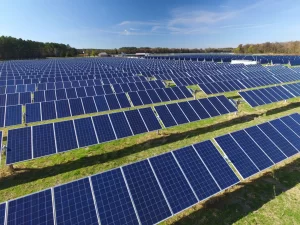


If you already have solar panels installed at your home, you are already taking a step towards reducing your electricity bills. But what happens when your solar panels generate more electricity during the day than your household uses? Much of that excess energy may be exported back to the electricity grid, while you end up purchasing electricity again during the evening or night.
Installing a battery for existing solar is a practical way to make better use of the solar energy your system already generates. Instead of sending excess electricity to the grid, a home battery allows you to store it and use it when your solar panels are no longer producing enough power.
For homeowners in Canberra, adding a battery to an existing solar system can help improve energy independence, reduce reliance on grid electricity and make better use of their solar investment.
What Is a Battery for Existing Solar?
A battery for existing solar is a home energy storage system that can be installed alongside your current solar panel system. It stores excess electricity generated during the day and makes that electricity available when your household needs it later.
Without a battery, excess solar electricity may be exported to the grid for a feed-in tariff. When you need electricity at night, you may have to purchase it from your energy retailer. A solar battery helps bridge this gap by storing your surplus energy for later use.
Depending on your existing solar setup, battery compatibility and household energy consumption, you may be able to add a battery without replacing your existing solar panels.
How Does Adding a Battery Work with Existing Solar Panels?
Adding a battery to your existing solar system allows you to store the excess solar electricity that would otherwise be exported to the grid.
- Morning and daytime: Your solar panels generate electricity to power your home.
- Excess generation: Surplus electricity charges your battery.
- Evening: Your battery supplies stored electricity when solar generation decreases.
- When the battery is depleted: Your home can draw electricity from the grid, depending on your system configuration.
This arrangement can help you use more of your own solar electricity instead of relying on the grid during higher-consumption periods.
Before installation, an electrician needs to check your existing inverter, solar system capacity, battery compatibility, switchboard and installation requirements. Depending on your setup, you may need an AC-coupled or DC-coupled battery solution.
Benefits of Installing a Battery for Existing Solar
1. Make Better Use of Your Solar Energy
If your household is not home during the day, your solar system may generate electricity that you do not immediately use. A battery allows you to store this energy instead of exporting all your excess generation.
You can then use the stored electricity when your household needs it most, helping you get greater value from your existing solar installation.
2. Reduce Your Reliance on Grid Electricity
Electricity consumption often increases during the evening when lights, cooking appliances, televisions and other household equipment are being used.
With a solar battery, you can use stored daytime solar energy during these periods. This may reduce the amount of electricity you need to purchase from your energy retailer.
3. Improve Energy Independence
A solar battery gives you more control over how and when you use electricity. Rather than relying entirely on the grid after sunset, you can use energy generated and stored at your property.
4. Potential Backup Power During Outages
Some battery systems offer backup power functionality during electricity outages. However, not every battery installation automatically provides backup power.
Backup capability depends on the battery, inverter, backup configuration and circuits selected during installation.
Solar Battery Cost Installed: 5kWh, 10kWh and 13.5kWh
The cost of adding a battery to an existing solar system depends on battery capacity, brand, inverter compatibility and installation requirements. Eligible Australian households may also benefit from the federal Cheaper Home Batteries Program.
Below are indicative battery installation prices before and after the estimated federal discount.
| Battery capacity | Estimated installed price | Estimated price after rebate |
|---|---|---|
| 5kWh | $6,000–$8,500 | $4,640–$7,140 |
| 10kWh | $10,000–$15,000 | $7,280–$12,280 |
| 13.5kWh | $13,500–$18,500 | $9,860–$14,860 |
<small>Indicative Australian pricing, not a guaranteed quote. Rebate estimates are based on indicative 2026 figures and eligibility. Prices may vary by installer, system compatibility and installation complexity.</small>
The final cost may include additional equipment, switchboard upgrades, inverter replacement or electrical work. Getting a personalised quote is the best way to understand the actual cost for your home.
20kW Solar Battery Price After Rebate
Homeowners with higher electricity consumption may consider larger battery storage systems to store more solar energy for evening and overnight use.
When researching the 20kW solar battery price after rebate, it is important to understand that residential batteries are generally advertised using kilowatt-hours (kWh), which measure storage capacity, rather than kilowatts (kW), which measure power.
A 20kWh battery may suit a household with higher energy consumption, electric appliances or greater evening electricity requirements. However, the ideal capacity depends on how much electricity your home uses after sunset and how much excess solar energy is available to charge the battery.
The final price depends on the battery brand, installation, inverter requirements, switchboard upgrades and eligible government incentives.
30kW Solar Battery Price After Rebate
For households with substantial electricity consumption, a larger battery system may provide additional storage capacity and flexibility.
People searching for the 30kW solar battery price after rebate may be looking for a solution that can store more electricity for extended evening usage, larger homes or properties with high energy demands.
A 30kWh battery stores more energy than a 20kWh battery, but the right choice depends on your household’s actual consumption rather than simply choosing the largest available system.
A larger battery may not always provide better financial value if your existing solar system cannot generate enough excess electricity to charge it regularly.
What Size Solar Battery Do I Need for My House?
If you are searching for a solar battery sizing calculator, the first step is understanding your household’s electricity consumption.
Consider these factors when choosing a battery:
- Daily electricity consumption: Check your electricity bills to understand how many kWh your household uses.
- Evening and overnight usage: Identify how much electricity you use after your solar panels stop generating power.
- Existing solar system size: Consider how much excess solar electricity your system generates.
- Household appliances: Air conditioning, electric hot water, pool pumps and EV charging can influence battery size.
- Backup requirements: Consider both battery capacity and power output if blackout protection is important.
A battery sizing assessment can help you avoid choosing a system that is too small or unnecessarily large for your household.
Can You Add a Battery Without Replacing Your Solar Panels?
Yes, many homeowners can add a battery to an existing solar panel system without replacing the panels. However, installation depends on the system’s age, inverter type, compatibility, available space and electrical configuration.
An installer can inspect your current solar system and recommend a suitable battery solution. In some situations, additional equipment or electrical upgrades may be required.
If your solar panels are still performing well, adding a battery can be a way to upgrade your existing solar setup without starting from scratch.
Frequently Asked Questions
Do I need a new inverter to add a battery?
Not always. Some existing solar systems can accommodate an AC-coupled battery without replacing the solar inverter. Other systems may require a compatible hybrid inverter or additional equipment. An installer can assess your existing setup to determine the most suitable option.
Can I add a different brand battery to my existing solar?
Yes, in many cases you can install a battery from a different brand than your existing solar panels or inverter. However, compatibility depends on the battery technology, inverter configuration, communication requirements and installation standards. Your installer should confirm compatibility before installation.
Do solar batteries actually save money on electricity bills?
Solar batteries can help reduce electricity bills by storing excess solar energy and using it when electricity from the grid would otherwise be required. Actual savings depend on your electricity tariffs, household consumption, battery size, installation cost and how regularly the battery is charged and discharged.
Add a Solar Battery to Your Existing System in Canberra
If you already have solar panels and want to make better use of your electricity, installing a home battery could be the next step.
At Daddy Sun Solar & Insulation, we help Canberra homeowners explore solar battery options suited to their existing systems, household electricity consumption and energy goals.
Whether you are considering a 20kWh battery, a larger storage solution or simply want to understand whether battery storage is suitable for your home, getting the right advice can help you make a more informed decision.
Contact Daddy Sun Solar & Insulation today to discuss adding a battery to your existing solar system and discover a suitable energy storage solution for your home.